

How to adapt your home for accessibility
A remodeling guide that grows with you
Guest blogger: Lillian Brooks
For some—including people with disabilities, seniors aging in place, and parents or caregivers adapting a household for a loved one—home can be the hardest place to move through with dignity. The core tension is real: accessibility challenges show up in doorways, bathrooms, lighting, and daily routines, yet rushed fixes can be expensive, temporary, or isolating. Accessible home design works best when it starts with a clear remodeling plan for your specific needs and a shared understanding of what independence needs to look like. Grounded in universal design principles, an accessible home can keep pace with changing bodies, changing needs, and changing family life.
Quick Summary: Creating a More Accessible Home
● Start by assessing current and future accessibility needs to guide layout and feature decisions.
● Plan a realistic budget that includes accessibility priorities and long-term adaptability.
● Choose safe materials and finishes that support health, comfort, and everyday usability.
● Collaborate with qualified professionals to align design, renovation scope, and accessibility requirements.
● Add adaptive home technologies that increase independence and can evolve as needs change.
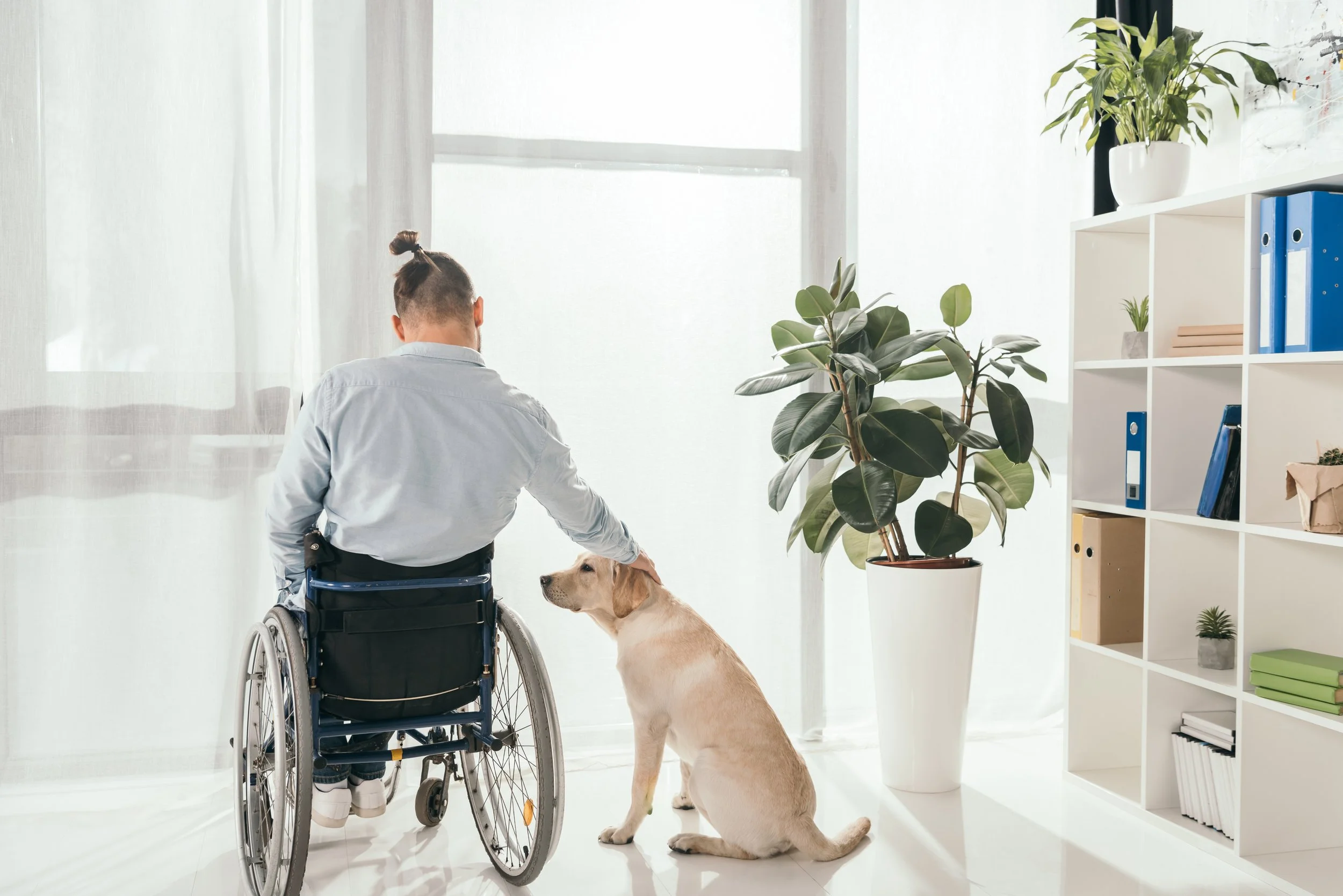
Photo of a man in a wheelchair petting his dog in a living room setting.
Plan Your Accessible Home Remodel from Needs to Budget
This process helps you turn day-to-day access needs into a remodeling plan you can afford and maintain. It matters because disability access is personal and changing, and community members can use this structure to advocate for the right features, funding, and resources without getting overwhelmed.
Step 1: Map daily routines and access needs
Start by listing activities you do every day, then note what helps or blocks you in each space, such as lighting, reach ranges, noise, fatigue, or transfers. Include likely changes over time, like recovery, aging, new equipment, or fluctuating symptoms. Turn this into a short "must-have vs nice-to-have" checklist you can share with builders and community members.
Step 2: Translate needs into scope and a realistic budget
Group your checklist into projects such as entry, bathroom, kitchen, bedroom, and smart home, then price each as "now" and "later" phases. Add a contingency line for surprises and a maintenance line for items that wear out, like flooring finishes and door hardware. When reviewing quotes, also ask contractors for a plain-language summary of their warranty coverage (this may help) so you know exactly what protection you have after installation. This keeps you in control when a quote comes back higher than expected.
Step 3: Choose durable, low-effort materials that support access
Pick surfaces that are stable under mobility devices, easy to clean, and forgiving if you drop items, while also reducing glare and slip risk. When comparing products, prioritize performance and repairability over trends.
Step 4: Bring in an accessibility consultant early
To find a qualified consultant, ask your occupational therapist for a referral, search the National Register of Access Consultants for certified professionals in your area or contact staff at Disability Empowerment Center for help searching. Schedule a walk-through before any work begins so the consultant can flag layout pinch points, clearances, and reach issues that are cheaper to fix on paper than after installation. Share your routine map and budget ranges so recommendations fit your life, not a generic checklist. If you have caregivers or supporters, include them to capture transfer and support needs respectfully.
Step 5: Integrate adaptive technology around real habits
List the actions you want to make simpler such as unlocking doors, adjusting lights, setting reminders, or calling for help, then decide what must work during outages or when you are low energy. Choose a few high-impact automations first and confirm they work with your phone, voice, switches, or mobility setup.
Accessibility Options To Consider
The section below compares universal design features and adaptive tech you can mix and match across rooms. It matters because the "best" upgrade depends on your mobility, sensory, and cognitive needs, plus who supports you day to day and what funding or community programs can help.
● No-step entry and flush threshold — Provides safer, smoother access for wheels and walkers, ideal for main entrances, patio doors, and garage entry. Note that site grading and drainage planning may increase cost.
● Wider doors and clear turning space — Easier navigation with fewer pinch points, best applied to hallways, bedrooms, and bathrooms. Can reduce closet or room area in smaller homes.
● Curbless shower and reinforced walls — Simpler transfers with future grab-bar flexibility, suited to bathrooms and aging-in-place planning. Requires careful waterproofing and slope control.
● Layered lighting and low-glare finishes — Better wayfinding and reduced eye strain, most useful in kitchens, stairs, and corridors. Dimmer placement and bulb selection will affect usability.
● Smart locks, voice control, and sensors — Less physical effort for daily routines, covering entry, lighting, reminders, and safety checks. A fast-changing market means compatibility risks are worth checking before committing.
A practical pattern is to start with layout and bathroom safety first, then add tech that supports your real routines. If you are unsure, pick options that still work without perfect dexterity, memory, or internet. Knowing which option fits best makes your next move clear.
.
For years, Lillian Brooks worked as a special education teacher with a focus on teaching children with learning disabilities. She created the website, Learning Disabilities, to offer information and understanding to parents of children with learning disabilities, as well as adults who are in need of continued support in order to succeed.